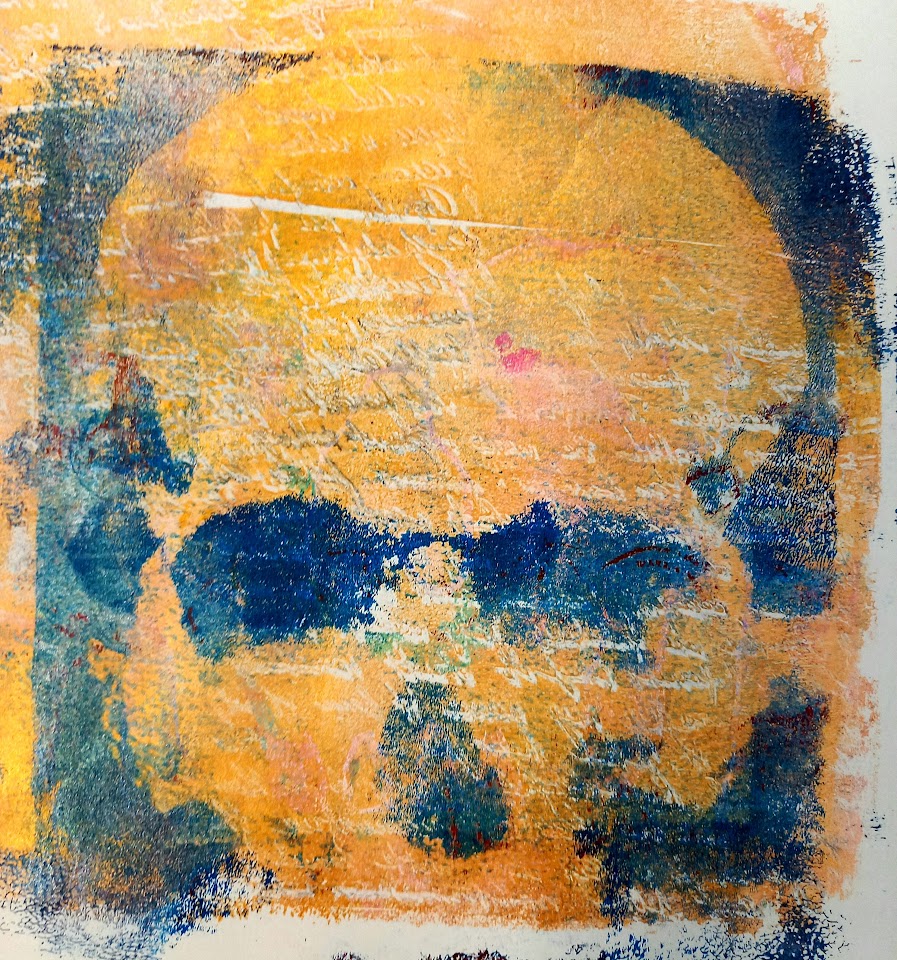
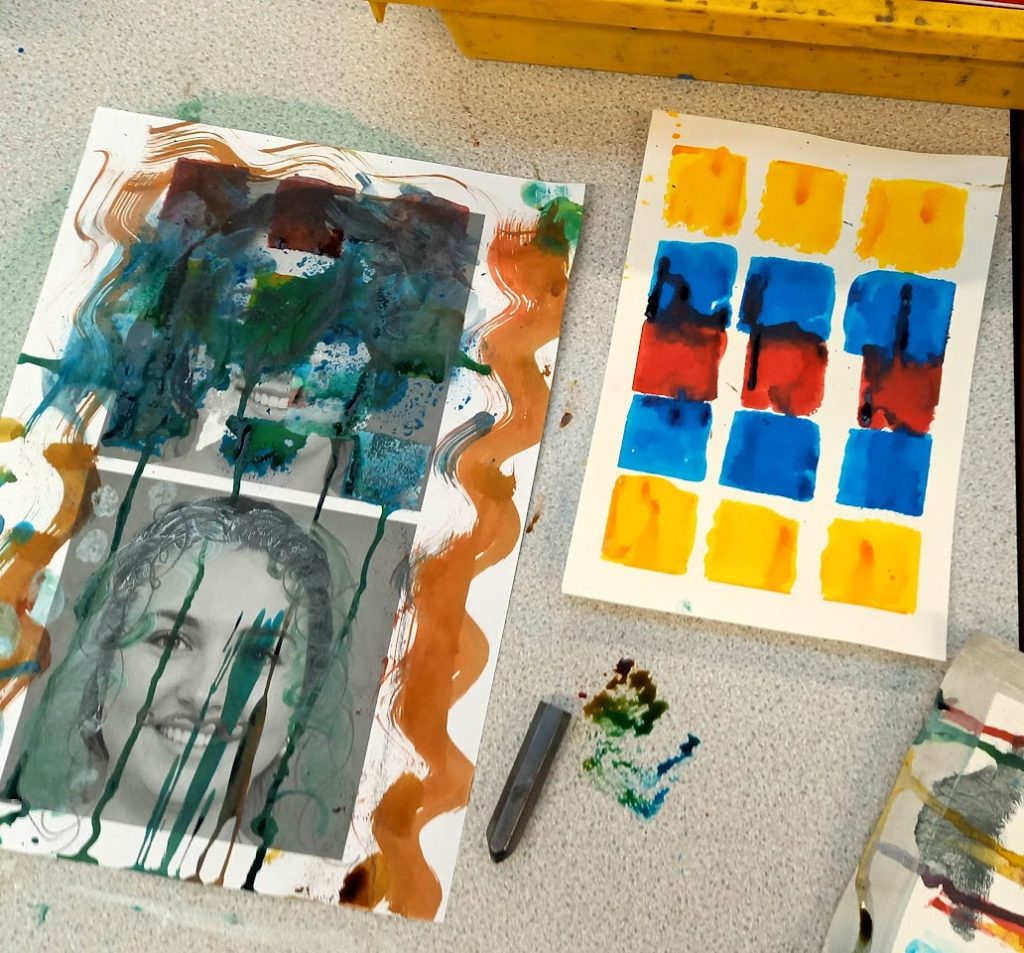
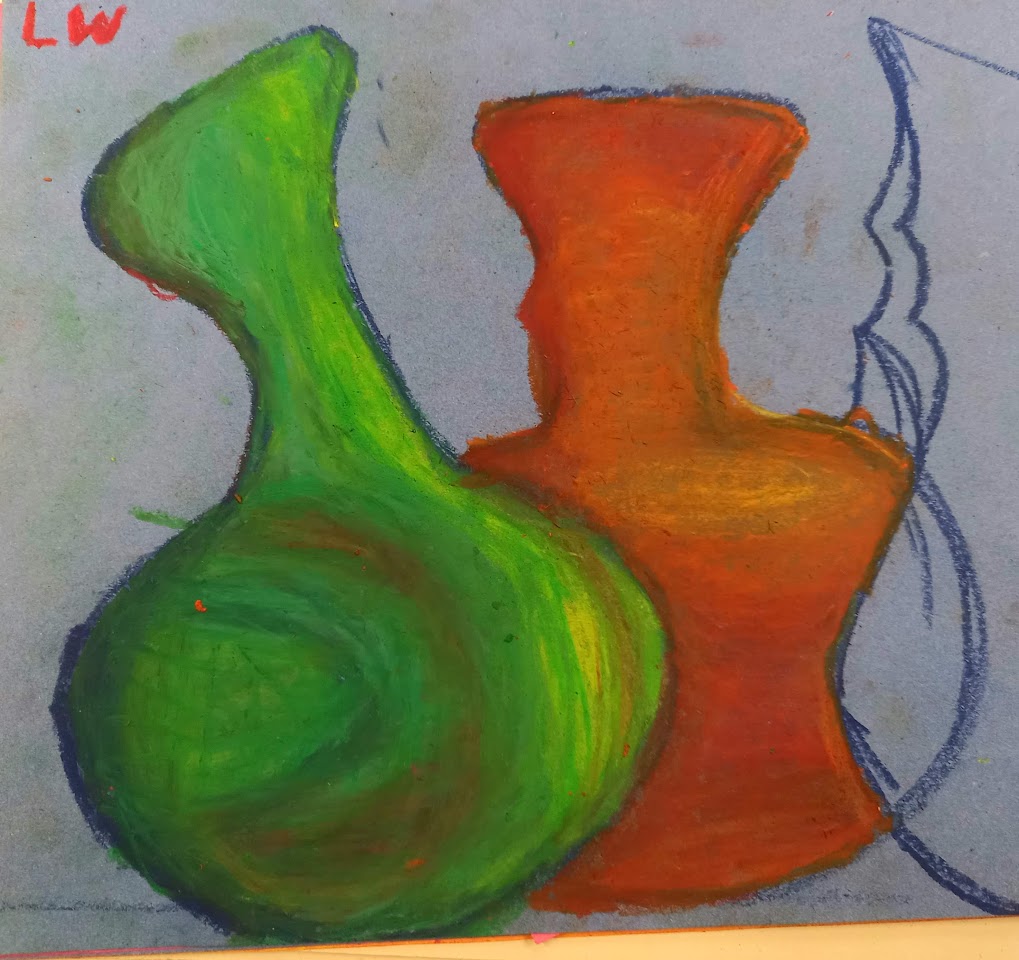
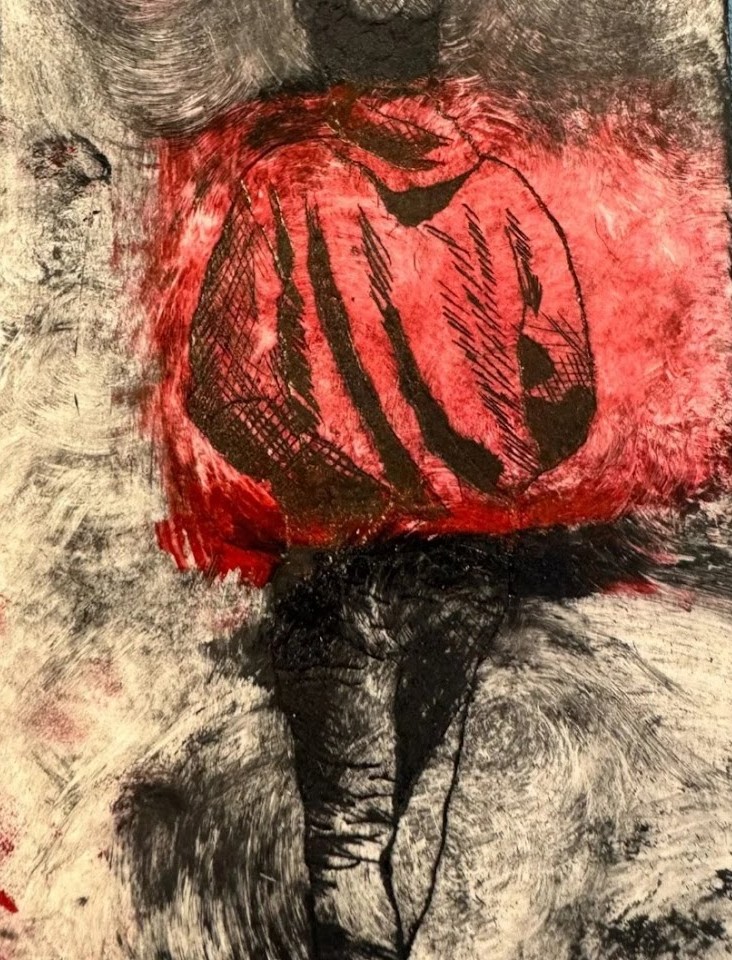
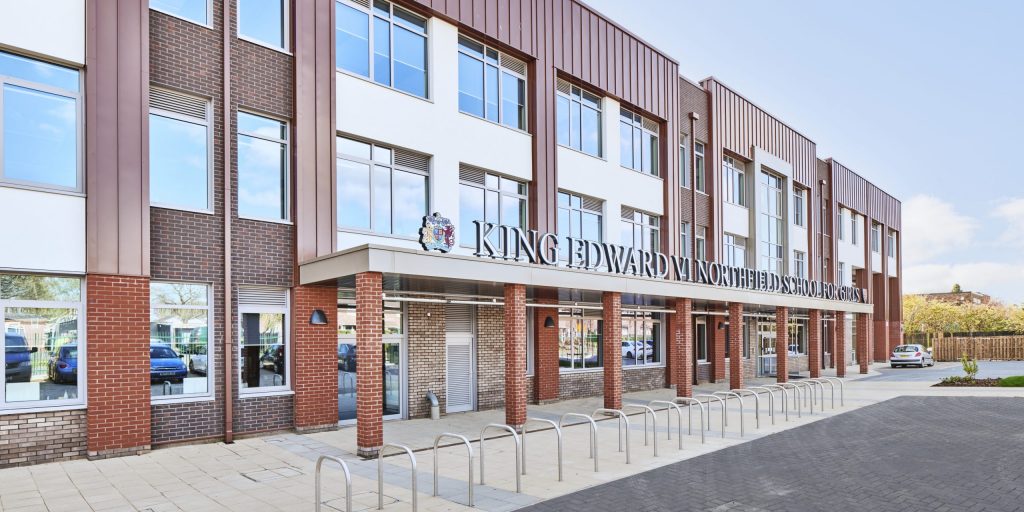
Art & Design is an essential and valued part of the curriculum at Northfield School for Girls. We aim to provide all pupils with the knowledge, skills and confidence to respond to their experience of the world as artists – and to use art to express their thoughts and ideas in creative, open-ended ways.
Key Stage 3
All pupils currently have 1 hour of art & design a week, taught by specialist artist teachers. Our curriculum is planned around the following key concepts:
– Art has purpose and meaning.
– What is Art? What is Design? What is Craft?
– Where do ideas come from?
– Design is all around us, everywhere we look.
– Art is curious, playful and experimental.
– We develop our skills and understanding through resilience and practice.
– We use visual language to express our thoughts, feelings, observations & ideas.
– We grow as artists by reflecting on our work.
– Art through time has mirrored human development, thought, culture, belief, environment & civilisation.
– The materials, techniques & processes we use are rooted in long traditions.
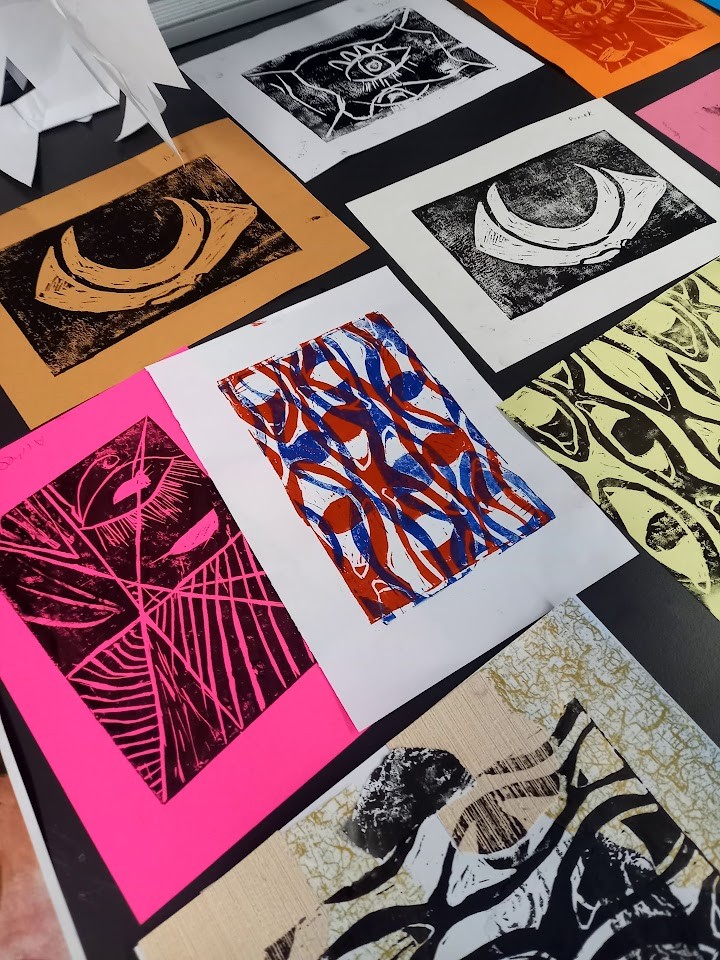
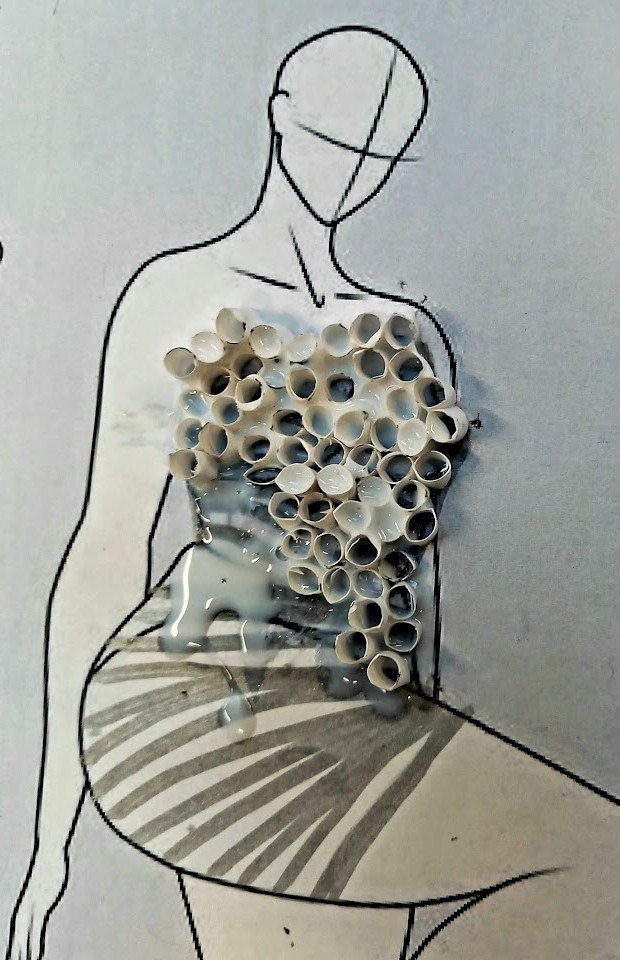
Pupils work on two projects every year, which enable them to build their skills in a wide range of media and techniques, including drawing, painting, sculpture, print, ceramics and digital imagery. Pupils respond to diverse stimulus, artworks and art practices. As a department we are flexible and responsive to opportunities to work with artists and organisations as projects arise, but currently our core projects are:
Year 7
– Mother Earth
– Building the Future
Year 8
– Cabinets of Curiosity
– The Art of Protest
Year 9
– What is Beauty?
– Images of Women
Pupils also benefit from trips to art galleries and museums that feed directly into their projects: in year 7, all pupils visit an art gallery within weeks of starting school (these have included Compton Verney, New Art Gallery, Walsall and the Wolverhampton Art Gallery). In year 8, pupils visit The Pitt Rivers and Ashmolean Museums in Oxford.
Each year, key stage 3 pupils also participate in a cross-curricular art day:
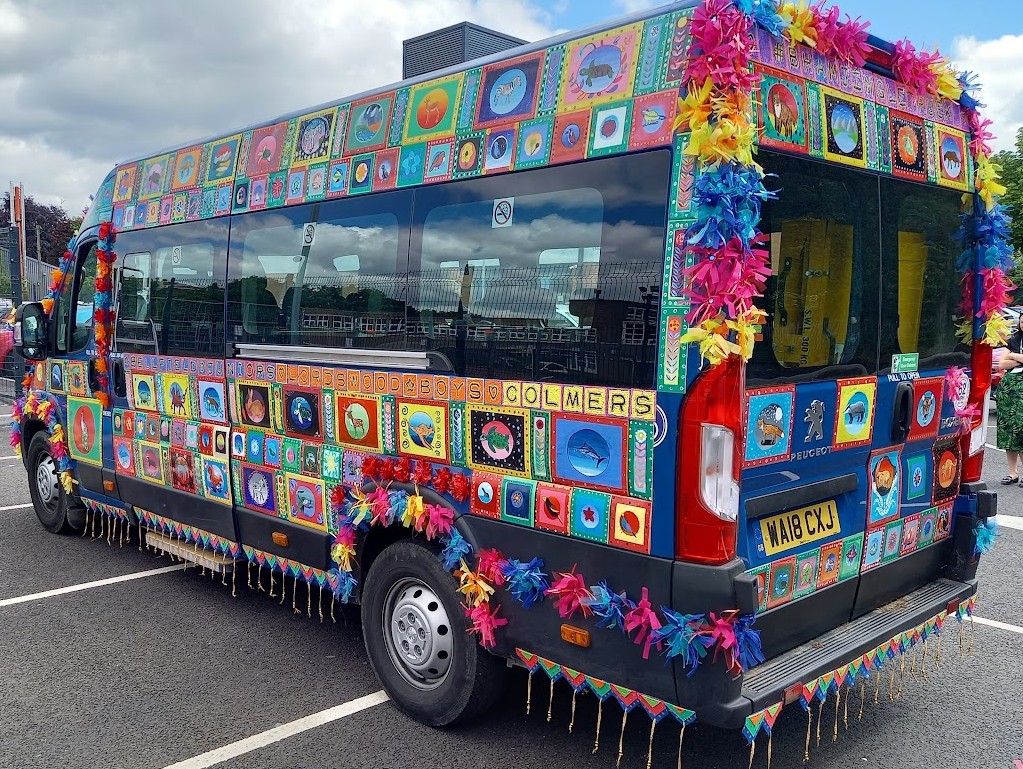
Year 7: Artsfest – a cross-curricular festival of workshops and activities in art & design, graphics, textiles, dance, drama & music.
Year 8: Art & Science Day – pupils work with art and science teachers to explore the many ways these two subjects intersect and enrich each other.
Year 9: GCSE transition workshops for those pupils opting for GCSE Art, Craft & Design.
Key Stage 4
Our pupils study GCSE Art, Craft & Design (AQA) which continues to be a popular option choice. This is an academically rigorous course with a broad scope, that aims to encourage open ended outcomes through explorations of media, process & meaning.
All work is holistically assessed using four equally weighted assessment objectives:
· AO1: Develop ideas through investigations, demonstrating critical understanding of sources.
· AO2: Refine work by exploring ideas, selecting and experimenting with appropriate media, materials, techniques and processes.
· AO3: Record ideas, observations and insights relevant to intentions as work progresses.
· AO4: Present a personal and meaningful response that realises intentions and demonstrates understanding of visual language.
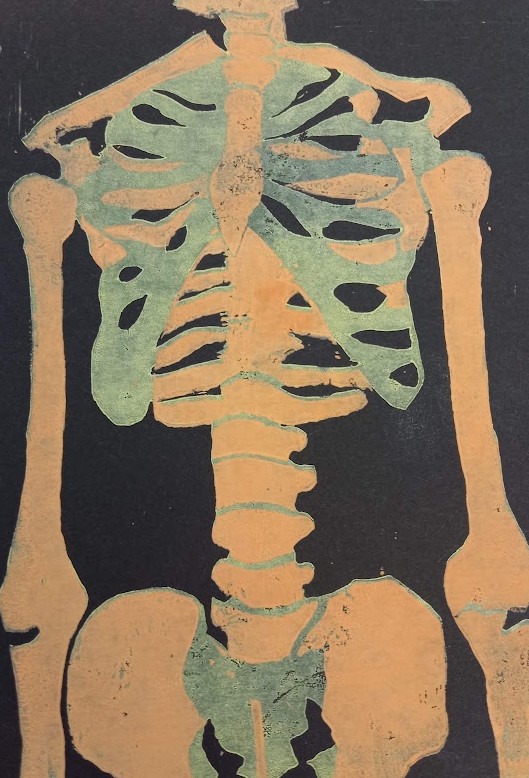
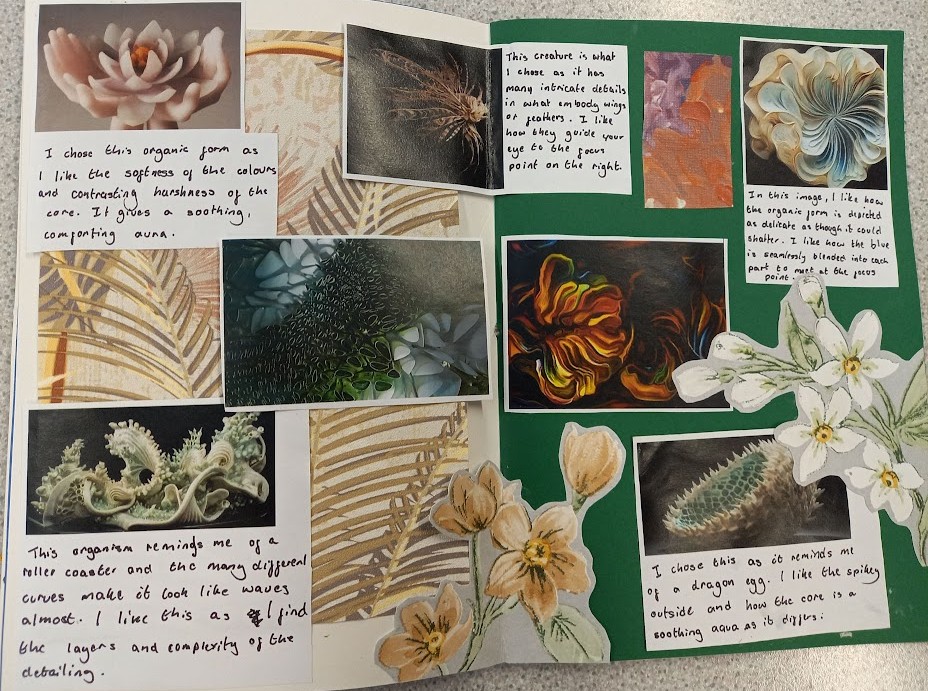
All students begin their studies with projects aimed at introducing GCSE working practices, learning about assessment objectives and developing confidence and independence with a range of media and processes. These focus on drawing and photography skills, and exploring different ways they might respond to the work of an artist/designer in order to develop their own ideas. Students then start their extended project (‘Human’), which forms the majority of the work they submit for their Portfolio (Unit 1 – 60% of final grade).
From January of year 11, all students start work on their Externally Set Task (exam project), which culminates in a 10-hour supervised period of work. This is usually referred to as their art exam.
GCSE art students benefit from two trips to art galleries, museums, and other appropriate sites – recently these have included The New Art Gallery, Walsall, and Oxford museums: The Pitt Rivers, Ashmolean and Natural History Museum. We also take opportunities to work with local FE colleges and universities.All students begin their studies with projects aimed at introducing GCSE working practices, learning about assessment objectives and developing confidence and independence with a range of media and processes. These focus on drawing and photography skills, and exploring different ways they might respond to the work of an artist/designer in order to develop their own ideas. Students then start their extended project (‘Human’), which forms the majority of the work they submit for their Portfolio (Unit 1 – 60% of final grade).
| Term | Yr 10 | Yr 11 |
|---|---|---|
| Autumn | Mini projects:-What is Drawing?- How many ways can you respond to an artwork?- How can I use photography to develop ideas? | Further development of extended project – ‘Human’ |
| Spring | Human Anatomy and/or Portraiture; visit to art gallery. | Externally Set Task (Exam project). |
| Summer | Further development of extended project – ‘Human’ |